Dhurandhar: The Revenge Movie Review: Bigger Stakes and a Darker Mission
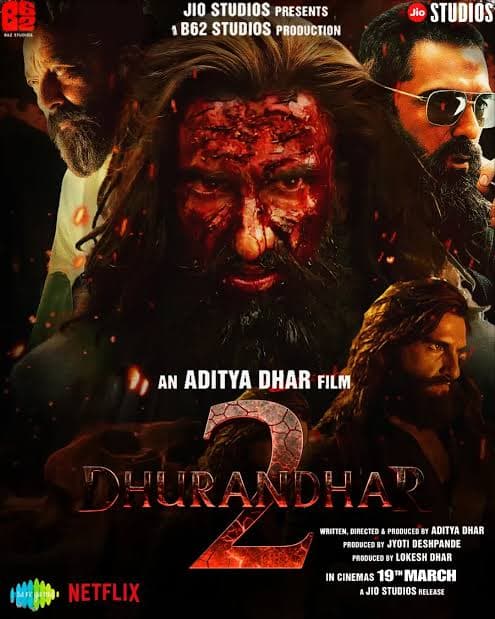
Dhurandhar
Based on direction, story, and acting
What Works (The Good)
- Escalated emotional and narrative stakes
- Powerful action sequences
- Committed performances from the ensemble
- A darker exploration of revenge and consequence
What Doesn't (The Bad)
- A substantial runtime
- A dense plot with several moving parts
Revenge Is Never a Simple Answer
Dhurandhar: The Revenge expands the conflict of its predecessor and places greater emphasis on retaliation, loyalty, and the emotional cost of violence. The film is built around a darker mission, but its central question is not simply whether revenge can be achieved. It is whether revenge can ever provide genuine closure.
Plot & Escalating Stakes
The sequel raises the personal and operational stakes. Earlier conflicts continue to influence the present, while new threats force the characters to make increasingly dangerous choices.
The narrative moves through missions, confrontations, shifting alliances, and personal vendettas. This gives the film a larger canvas, although it also makes the story more demanding to follow.
The strongest moments are those in which the revenge motive becomes emotionally complicated. The protagonist may have a clear target, but every step toward that target creates fresh consequences.
Ranveer Singh & Ensemble Performances
Ranveer Singh once again serves as the emotional and physical centre of the film. His performance carries anger, exhaustion, determination, and vulnerability. The character's intensity feels more meaningful when the film allows the audience to see the cost behind the violence.
The supporting cast contributes authority and tension. Different characters represent different ideas of power, loyalty, and self-interest. Their relationships are rarely simple, which keeps the dramatic conflict active between action sequences.
Action, Direction & Technical Presentation
The sequel aims for scale. Its action choreography, production design, sound work, and visual presentation are designed to create a strong theatrical experience.
The film's best action scenes are connected to character decisions. The physical conflict matters because it changes relationships, reveals motives, or increases the danger of the central mission.
Aditya Dhar maintains a dark and serious tone, but the film's ambition occasionally affects its pace. The large number of narrative threads can make some sections feel extended, particularly when the film explains its wider political or operational background.
The Cineverse Verdict
Dhurandhar: The Revenge offers a larger and more emotionally pressured continuation of the franchise's action-driven world. It delivers intensity and scale, even if its length and narrative density sometimes work against it.
Final verdict: A dark, high-stakes sequel with powerful action, committed performances, and a strong focus on the consequences of revenge.
The Cineverse Technical Breakdown
More in Bollywood
View all Bollywood reviews →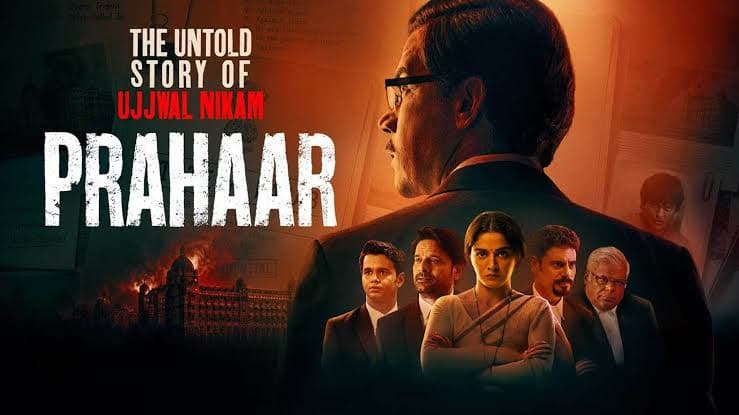
Prahaar Review: When a Disillusioned Professor Decided to Declare War on the System
A retired professor, pushed to the edge by a corrupt system, trains a group of young students to wage a violent war against the criminals who destroyed his family.

Ek Tha Tiger Review: When RAW Met ISI and Romance Blossomed
India's top spy falls in love with a Pakistani agent, forcing him to choose between duty and the woman he loves.
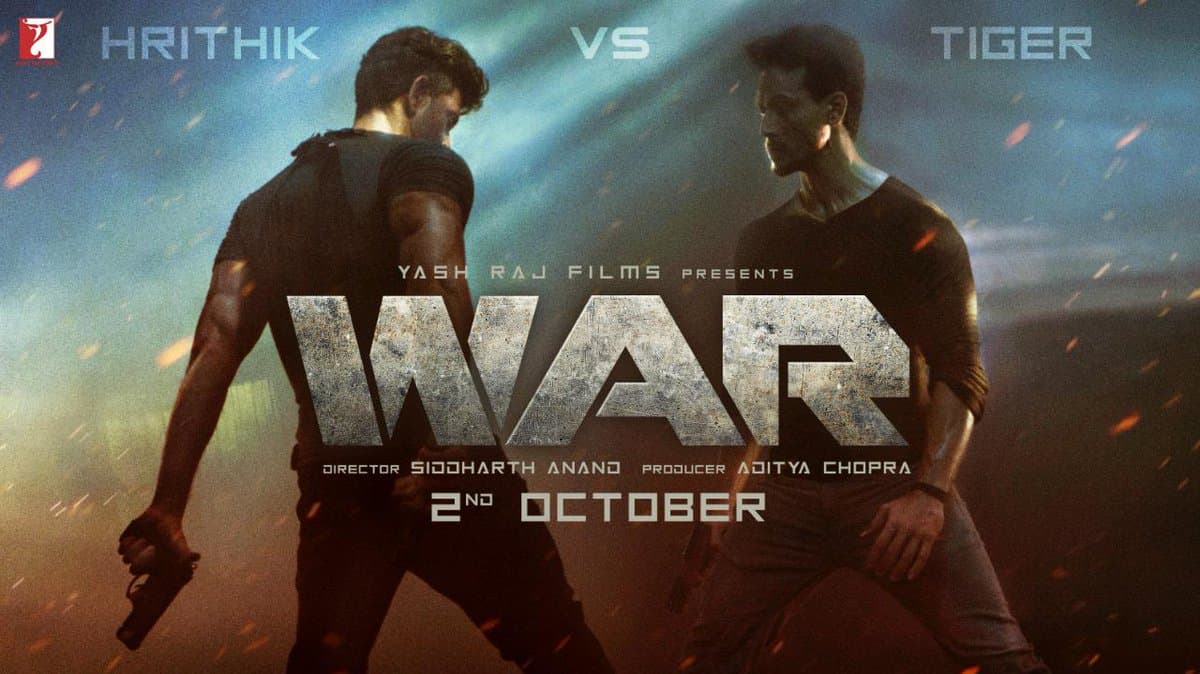
War Review: Hrithik vs. Tiger — A Dance-Off Disguised as a Spy Thriller
Hrithik Roshan hunts Tiger Shroff across the globe in a stylish but logically bankrupt spy thriller that prioritises swagger over story.