Gintama Review: The Anime That Taught Us To Laugh At Everything, Including Ourselves
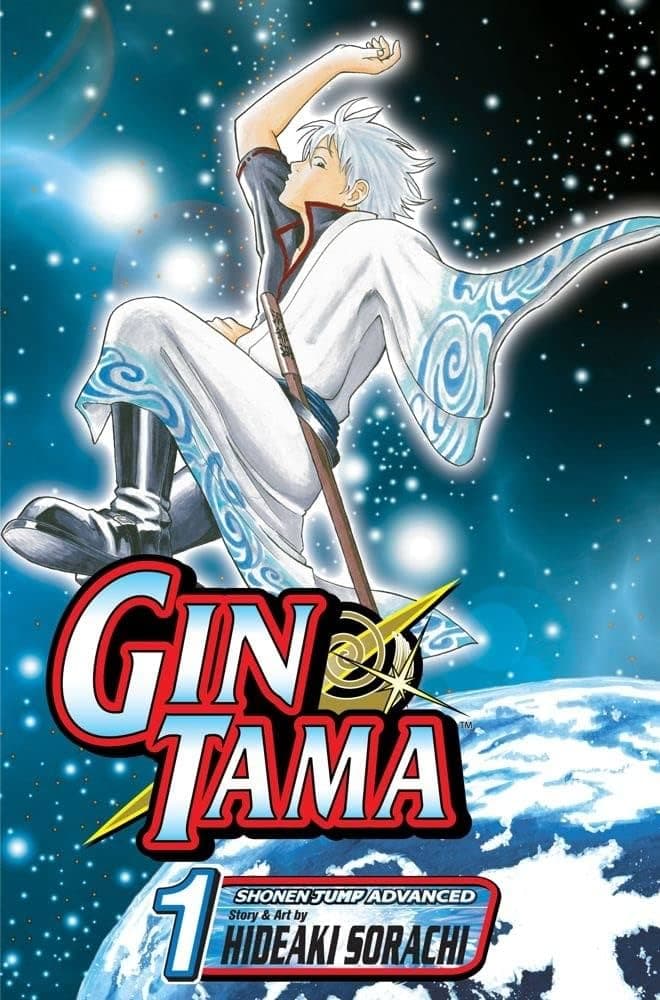
Gintama Review
Based on direction, story, and acting
What Works (The Good)
- The most fearless and inventive comedy in anime history — it parodies everything and everyone
- The emotional arcs hit harder than they have any right to
- Gintoki, Shinpachi, and Kagura are one of the best trios in anime
- The supporting cast is enormous and almost every character gets a moment to shine
- The genre-blending is seamless — from gag comedy to samurai drama to sci-fi epic
- The fourth wall breaks are legendary, meta, and never get old
What Doesn't (The Bad)
- The first 20-30 episodes are slow and can feel aimless
- The humor is heavily referential — if you don't know Japanese pop culture, some jokes won't land
- The sheer length (367 episodes) is daunting for new viewers
- The serious arcs sometimes drag on longer than necessary
The Setup: A Samurai, A Glasses, And A Glutton
Gintama is not a show you explain. It's a show you experience. You can describe the premise — an alternate Edo period where aliens have taken over Japan, and a broke samurai named Gintoki Sakata runs an odd-jobs business with his two teenage employees — but that doesn't capture what it feels like to watch it. Because Gintama is not about its premise. It's about everything. It's about life. It's about death. It's about the absurdity of existence and the beauty of found family and the fact that Gintoki is going to make a Dragon Ball reference in the middle of a heartfelt monologue.
Created by Hideaki Sorachi, Gintama started as a manga in 2003 and ran for 15 years. The anime followed suit, running for 367 episodes across multiple seasons. It's a commitment. But it's a commitment that rewards you in ways few shows ever do.
The Plot: From Gag Comedy to Emotional Devastation
The first episode of Gintama is not good. Let me be clear about that. The first 20-30 episodes are a rough ride. The show is finding its feet. It's figuring out its tone. It's establishing its world and characters. The jokes are hit-or-miss. The pacing is slow. It's not the show it would become.
But if you stick with it, something magical happens. The show starts to click. The characters become more defined. The humor becomes sharper. The references become more fearless. And then, out of nowhere, it hits you with an emotional arc that leaves you sobbing on the floor.
That's the magic of Gintama. It's not just a comedy. It's a comedy that uses its humor to build trust with the audience, so that when it decides to break your heart, you're completely unprepared.
The serious arcs — the Benizakura Arc, the Yoshiwara in Flames Arc, the Shogun Assassination Arc, the Silver Soul Arc — are genuinely epic. They're full of action, tragedy, and character growth. They're not just "serious episodes" — they're the culmination of everything the show has been building towards.
The Characters: The Best Trio in Anime
Gintoki Sakata is the soul of the show. He's lazy, irresponsible, and perpetually broke. He loves sugar and reads Jump every week. But he's also a former war hero who gave up everything to protect what he believed in. He carries the weight of his past with him every day, but he never lets it stop him from doing the right thing. He's one of the most complex and genuinely heroic characters in anime.
Shinpachi Shimura is the straight man. He's the eyes through which we see the world. He's the one who points out when things are absurd. But he's also deeply loyal, deeply kind, and deeply committed to his friends. He's the anchor that keeps the trio grounded.
Kagura is the wildcard. She's a Yato alien — an incredibly powerful warrior from a race known for their bloodlust. But she's also a teenage girl who loves food, fights over the remote, and has a childlike innocence that never fades. Her relationship with her father, Umibozu, and her brother, Kamui, forms one of the show's most emotionally resonant arcs.
And then there's the supporting cast. Hijikata, Okita, Katsura, Sakamoto, the Shinsengumi, the Kabuki District residents — every single one of them gets their own arc, their own moments, their own reasons to be loved. The show takes its time with these characters. It earns their importance.
The Comedy: Fearless, Meta, and Timeless
Gintama is the only anime that has ever successfully parodied itself in a way that didn't feel cynical. The fourth-wall breaks are legendary — Gintoki addresses the audience directly, comments on the show's budget, complains about the anime catching up with the manga, and mocks the very concept of filler episodes.
The references are endless. Dragon Ball. Naruto. One Piece. Evangelion. Gundam. Studio Ghibli. Japanese politicians. Foreign celebrities. The show parodies everything and everyone, with no regard for copyright, reputation, or good taste. It's glorious.
But the humor isn't just about references. The character comedy is impeccable. Gintoki's deadpan delivery. Shinpachi's horrified reactions. Kagura's casual violence. The way the show builds a joke over an entire episode and then drops it in the most ridiculous way possible.
The Verdict: A Masterpiece of Emotion and Absurdity
Gintama is a show that has everything. It's funny. It's sad. It's action-packed. It's quiet. It's loud. It's a parody of itself. It's sincere. It's the most honest anime ever made about what it means to be human.
The journey is long. 367 episodes is a lot. But every episode is worth it. Every joke builds towards something. Every character arc has a payoff. Every serious moment is earned by the comedy that came before it.
Score: 9.5/10
Verdict: Masterpiece. If you have the time and the patience, there is no anime like Gintama. It will make you laugh until you cry. And then it will make you cry for real. And you'll thank it.
The writer of this review has watched the Shogun Assassination Arc six times. He still cries. The "Be forever Yorozuya" movie is a gift. Gintoki deserved better. But he'd probably just complain about it.
The Cineverse Technical Breakdown
More in Anime
View all Anime reviews →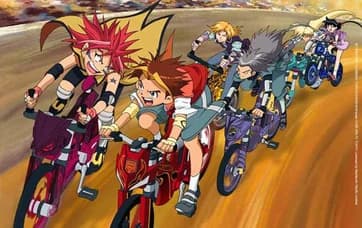
Idaten Jump Review: The Anime That Made Every 2000s Kid Want a Mountain Bike
A young mountain biker is transported to a strange world where he must race against dark forces to save his father and find his way home.
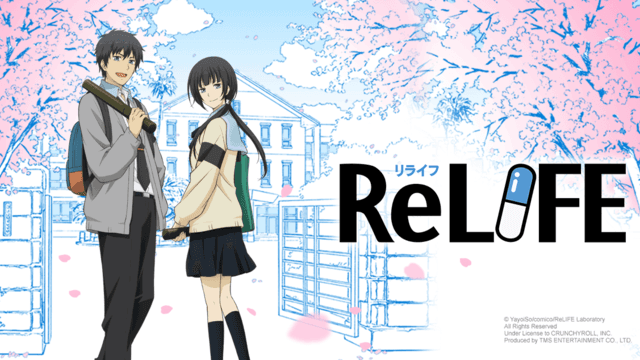
ReLIFE Review: A Second Chance at High School, And Why It Hurts So Good
A 27-year-old NEET gets a second chance at high school through a mysterious experiment — but the experiment has rules, and the biggest one is that no one can know.

Demon Lord, Retry! Review: A Power Fantasy That Forgot the 'Fantasy' Part
A game developer is transported into his own MMO as the final boss and proceeds to steamroll every challenge in a generic isekai that wastes its own premise.