The Odyssey Movie Review: Christopher Nolan's Epic Voyage into Myth
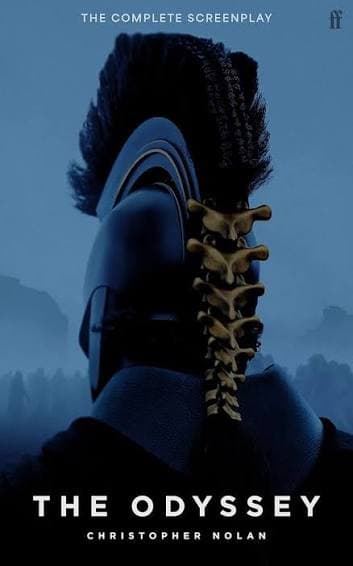
The Odyssey Movie Review
Based on direction, story, and acting
What Works (The Good)
- Monumental visual scale and immersive world-building
- A compelling interpretation of myth, loyalty, and homecoming
- Strong ensemble performances
- Christopher Nolan's ambitious direction
What Doesn't (The Bad)
- A demanding and layered narrative
- Some slower passages may test the audience's patience
The Greatest Journey Is the Journey Home
Christopher Nolan's The Odyssey approaches Homer's ancient epic as a grand cinematic voyage filled with danger, mystery, temptation, and emotional endurance. It is not simply an adventure about a warrior travelling across the sea. At its heart, it is a story about identity, loyalty, memory, and the meaning of home.
Plot & Mythological World
The film follows a hero attempting to return home after years of war. Along the way, he encounters strange lands, powerful forces, dangerous creatures, and moral challenges that test both his strength and his judgement.
The episodic structure gives the story a broad canvas. Every encounter adds another layer to the central question: what does a person become after surviving a journey that changes everything?
Nolan's interpretation appears interested in the human side of mythology. Gods and monsters may dominate the imagery, but the emotional conflict remains recognisably human.
Performances & Emotional Core
The lead performance carries the weight of a man divided between survival and longing. The hero is capable, but he is not invincible. His greatest battles are often internal, involving guilt, impatience, temptation, and the fear that home may no longer be the place he remembers.
The supporting cast gives the various chapters individuality. Family, companions, rivals, and mysterious figures all contribute to the emotional architecture of the journey.
The film's quieter scenes are particularly important. They allow the epic to breathe and remind the audience that the scale of the story is ultimately built around human relationships.
Nolan's Direction & Technical Brilliance
The visual design is one of the film's defining achievements. The sea is presented as both beautiful and terrifying, while the landscapes feel ancient, enormous, and unpredictable.
Large-format imagery, practical environments, detailed production design, and a powerful score work together to create a theatrical experience. The spectacle is not merely decorative; it communicates the wonder and danger of the mythological world.
The film's structure may feel demanding to viewers expecting a simple adventure. Its multiple episodes, symbolic details, and shifting emotional tones require patience. Yet this density also gives the film its richness.
The Cineverse Verdict
The Odyssey is an ambitious attempt to bring one of the foundational epics of world literature to a modern audience. It combines mythological spectacle with questions about endurance, loyalty, and the cost of returning home.
Final verdict: A monumental and emotionally resonant cinematic voyage that rewards viewers willing to surrender themselves to its scale and mythology.
The Cineverse Technical Breakdown
More in Hollywood
View all Hollywood reviews →
Street Fighter Review: The Movie That Killed Jean-Claude Van Damme's Career (And Raul Julia's Legacy)
The 1994 adaptation of the beloved video game is a chaotic, nonsensical mess — but Raul Julia's Bison makes it a strangely unforgettable experience.
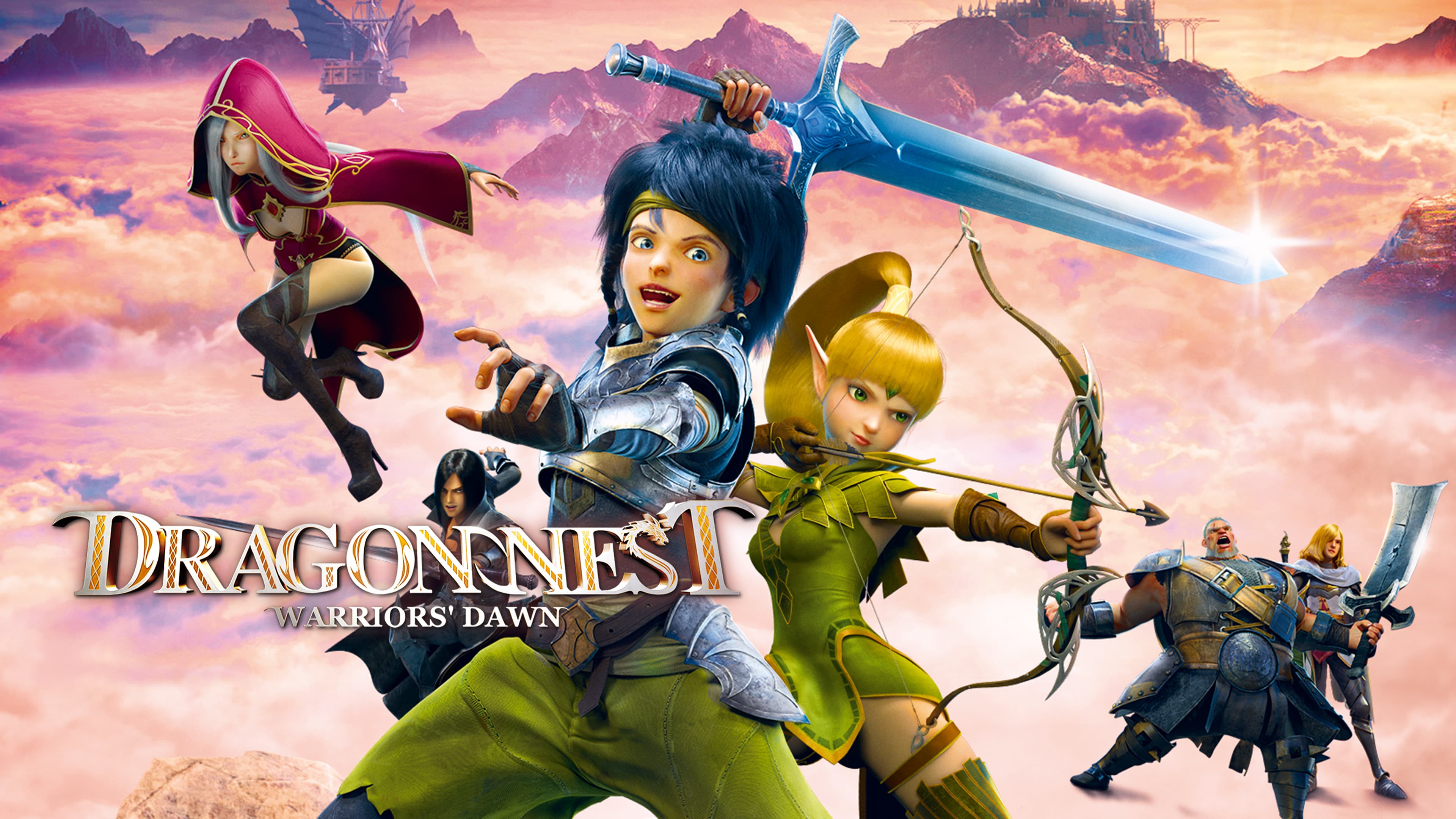
Dragon Nest: Warriors' Dawn Review — A Generic Fantasy That Never Finds Its Wings
An adaptation of the popular MMO that delivers generic fantasy beats, paper-thin characters, and a story that plays like a cutscene compilation rather than a film.
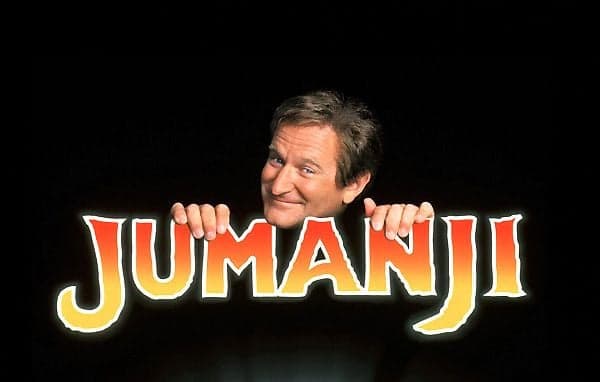
Jumanji: Welcome to the Jungle Review — The Rock, Kevin Hart, and Jack Black Walk Into a Video Game
Four teenagers get sucked into a video game and must survive as their avatars — The Rock, Kevin Hart, Jack Black, and Karen Gillan — in a hilarious, crowd-pleasing adventure.