Drishyam Review: The Perfect Crime, The Imperfect Family, And The Silence That Speaks Volumes
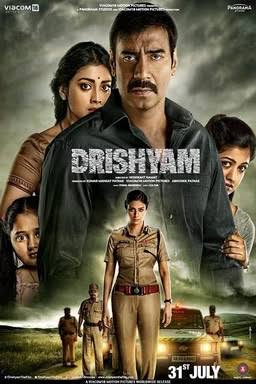
Drishyam Review
Direction, narrative, performances & score
The Strengths
- +Ajay Devgn delivers a career-defining performance — quiet, calculating, and utterly convincing
- +Tabu as the relentless IG Meera Deshmukh is a force of nature — vulnerable and terrifying in equal measure
- +The screenplay is airtight — every detail matters, every clue is planted, every payoff is earned
- +The film respects its audience's intelligence — it doesn't spell anything out
- +The final act is a masterclass in tension, ambiguity, and emotional devastation
- +The film explores the moral grey area without moralising — it asks questions, it doesn't provide answers
The Shortcomings
- –The runtime is long, and the first half is deliberately slow
- –Some viewers may find the film's moral ambiguity uncomfortable
- –The supporting cast, while excellent, is overshadowed by the two leads
The Setup: The Perfect Crime, The Imperfect Family
There's a moment in Drishyam where Vijay Salgaonkar (Ajay Devgn) sits in a police station, surrounded by officers who are convinced he's a murderer. He's not panicking. He's not sweating. He's not even raising his voice. He's just... thinking. Planning. Calculating. And in that moment, you realise that the film you're watching is not a story about a man who committed a crime. It's a story about a man who is smarter than everyone in the room.
Drishyam is not a thriller in the traditional sense. It's not about chases. It's not about shootouts. It's not about explosions. It's about a man who uses his intellect — his memory, his observation, his understanding of human nature — to protect his family. It's about the lengths a father will go to, the lies he will tell, the truths he will bury. And it's about the cost of that protection — the moral weight of what he's done.
Directed by Nishikant Kamat, Drishyam is a remake of the 2013 Malayalam film of the same name. It's a faithful adaptation — almost shot-for-shot in some places — but it's also a film that stands on its own. It's a film that understands the power of silence. It's a film that knows when to speak and when to stay quiet. It's a film that trusts its audience to pay attention.
The Plot: A Lie So Perfect It Becomes the Truth
Vijay Salgaonkar is a small-town cable operator. He's not a hero. He's not a genius. He's not a detective. He's just a man who loves his family. He dropped out of school at the age of 12. He's self-educated. He's seen hundreds of movies. He's learned everything he knows from them.
One night, his wife (Shriya Saran) and his two daughters are involved in a tragic accident. A young man — the son of the Inspector General of Police (Tabu) — attempts to blackmail the family, and in the struggle, he is killed. The family panics. They call Vijay. And Vijay does what he does best: he starts planning.
What follows is a cat-and-mouse game between Vijay and the police. The IG Meera Deshmukh (Tabu) is convinced that Vijay and his family are responsible for her son's disappearance. She's determined to break them. She's willing to use every resource at her disposal — her authority, her connections, her own grief. But Vijay has already thought of everything. He has built an alibi so airtight, a story so convincing, that even the police can't find a crack in it.
The film's genius is in its construction. Every detail matters. Every piece of information is planted early and paid off later. The first half is slow by design — it's building the foundation of Vijay's plan. The second half is a relentless investigation — a battle of wits between two people who are both fighting for the same thing: their families. The difference is that one of them is fighting for justice, and the other is fighting for survival.
The Acting: Ajay Devgn and Tabu, Two Titans
Ajay Devgn delivers the best performance of his career. His Vijay Salgaonkar is not a showy role. He doesn't have big emotional monologues. He doesn't have dramatic breakdowns. He's quiet. He's stoic. He's always thinking. And that's what makes him so compelling. You can see the gears turning behind his eyes. You can see him calculating, planning, anticipating. He's not a hero. He's a father. And he will do whatever it takes to protect his family. Devgn's performance is a masterclass in restraint — he gives you everything you need to know without showing you anything at all.
Tabu as IG Meera Deshmukh is equally magnificent. She's not a villain. She's not a monster. She's a grieving mother who has lost her son and is willing to do anything to find out what happened to him. She's vulnerable, and she's terrifying. Her performance is a study in contradictions — she's a woman who has been broken by grief, but who is also capable of great cruelty. She's the kind of antagonist who makes you question everything. She's not wrong. She's just on the other side.
Shriya Saran as Vijay's wife is the emotional heart of the film. She's the one who has to live with what her family has done. She's the one who has to lie to the police, who has to keep her children quiet, who has to hold everything together. Her performance is quiet, dignified, and deeply affecting.
The Themes: Truth, Lies, and the Morality of Survival
Drishyam is not a film that offers easy answers. It's a film that asks questions. Is it wrong to lie to protect your family? Is it wrong to cover up a crime if the crime was an accident? Is it wrong to manipulate the system if the system is already broken? The film doesn't answer these questions. It just lets you sit with them.
The film's title — Drishyam — means "vision" or "perspective." It's a nod to the way Vijay sees the world. He's not looking at what happened. He's looking at what people will believe happened. He's not just solving a crime. He's constructing a narrative. He's creating a version of reality that is so compelling, so detailed, so perfect, that even the police can't break it.
It's a film about the power of storytelling. It's a film about the difference between truth and belief. And it's a film about the fact that sometimes, the truth is not enough.
The Verdict: A Masterpiece
Drishyam is not just a great thriller. It's a great film. It's a film that understands the power of silence, the weight of family, and the lengths a parent will go to protect their children. It's a film that trusts its audience to think. It's a film that rewards patience. It's a film that builds to a climax that is both inevitable and devastating.
Score: 9.0/10
Verdict: Must Watch. If you haven't seen it, watch it. If you have, watch it again. You'll notice new details. You'll appreciate the craft. You'll be reminded of what Indian cinema is capable of.
The writer of this review has watched the final scene more times than he can count. The silence is the most powerful line in the film.
The Cineverse Technical Breakdown
More in Bollywood
View all Bollywood reviews →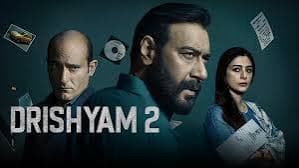
Drishyam 2 Review: The Lie That Wouldn't Die Comes Back to Haunt the Salgaonkars
Seven years after the events of the first film, Vijay Salgaonkar's carefully constructed lie begins to unravel as a new cop and a reopened investigation threaten to expose the truth.
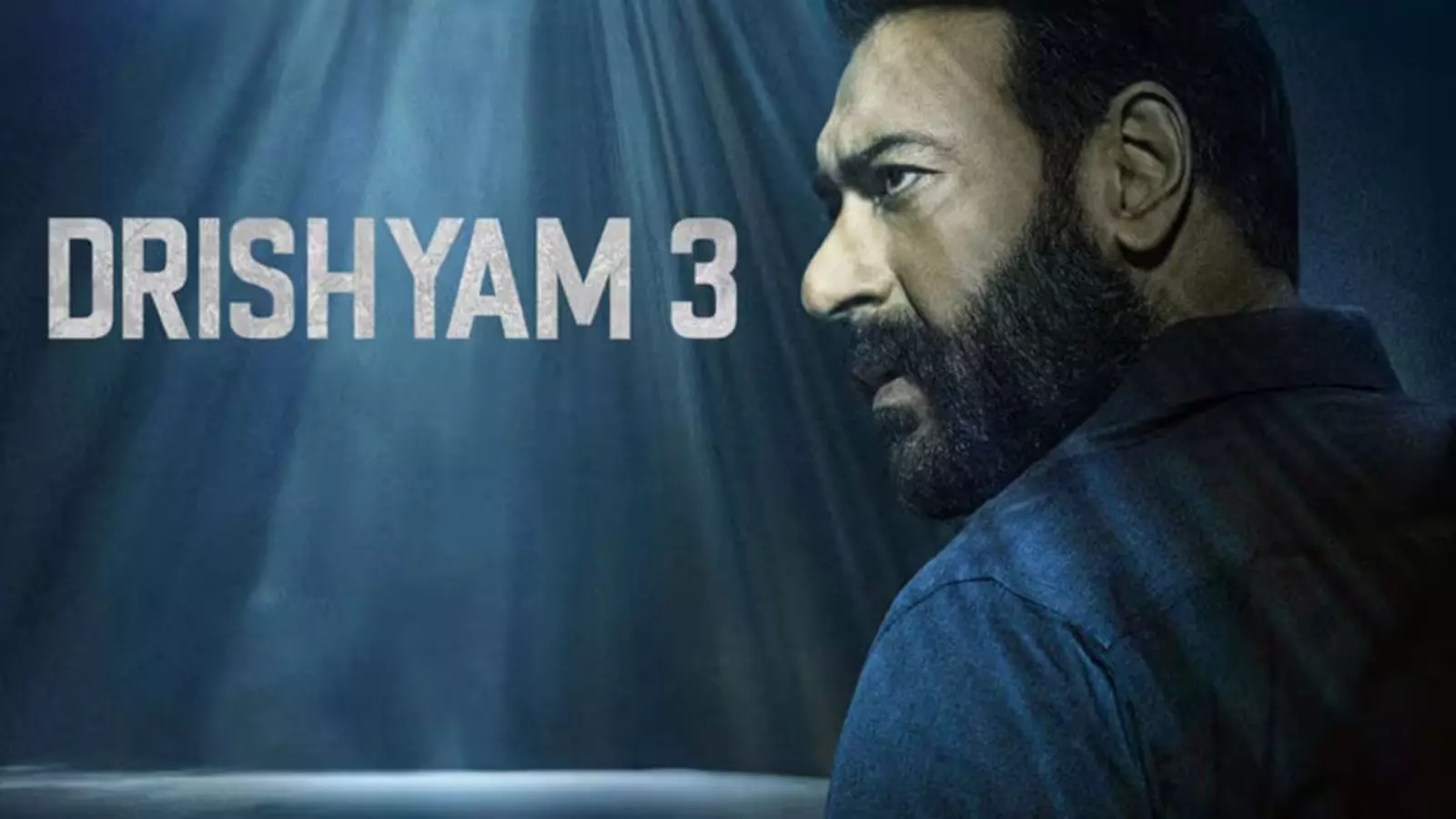
Drishyam 3 Review: The Final Lie, The Final Truth, The Final Silence
The final chapter of the Drishyam saga finds Vijay Salgaonkar facing the consequences of his choices — and the lies he told to protect his family are finally catching up with him.

Udta Teer Review: A Sharp, Biting Satire That Aims for the Jugular (And Hits)
A privileged but disillusioned man decides to expose the rot in the system by becoming a whistleblower — only to discover that the system is far more dangerous than he imagined.