Drishyam 2 Review: The Lie That Wouldn't Die Comes Back to Haunt the Salgaonkars

Drishyam 2 Review
Direction, narrative, performances & score
The Strengths
- +Ajay Devgn is as compelling as ever — the quiet, calculating patriarch who will do anything for his family
- +Akshaye Khanna's new cop character injects fresh energy into the franchise
- +The film doesn't just repeat the first film — it expands the story in unexpected ways
- +The climax is a genuinely satisfying payoff to a mystery that's been building for years
- +Tabu's Meera Deshmukh gets a more nuanced arc this time around
- +The film respects the intelligence of its audience — no cheap twists, no lazy writing
The Shortcomings
- –The first half is slow and relies heavily on flashbacks to the first film
- –Some of the new supporting characters are underdeveloped
- –The film's pacing drags in the middle act
- –It doesn't quite reach the heights of the original — but it comes close
The Setup: The Lie That Wouldn't Die
The first Drishyam ended with a lie so perfect, so airtight, that even the police couldn't break it. Vijay Salgaonkar had constructed an alibi so detailed, so meticulously planned, that it became the truth. His family was safe. The case was closed. The past was buried.
But the past has a way of digging itself up.
Drishyam 2 picks up seven years later. The Salgaonkars have moved on. Vijay has expanded his cable business. His daughters are growing up. His wife is trying to forget. But the ghost of what happened that night is still there — buried beneath the surface, waiting to be uncovered.
The film opens with a true-crime podcast. A journalist is investigating the disappearance of Sam Deshmukh, the son of IG Meera Deshmukh. She's convinced that Vijay Salgaonkar is guilty. She's determined to prove it. And this time, she's not alone.
A new cop has arrived in town — IG Tarun Ahlawat (Akshaye Khanna). He's sharp, he's relentless, and he's not interested in Vijay's alibi. He's interested in the truth. And he's willing to do whatever it takes to find it.
What follows is a cat-and-mouse game that is even more complex, even more tense, and even more emotionally devastating than the first film. The lie that saved the Salgaonkars is now the lie that could destroy them.
The Plot: A Sequel That Expands the Story
Drishyam 2 is not a repeat of the first film. It's an expansion. It takes the foundation that was built in the first film and adds new layers, new complications, new characters. It doesn't just rehash the same beats. It asks new questions. What happens when the lie becomes the truth? What happens when the truth is no longer enough? What happens when the past refuses to stay buried?
The film's structure is similar to the first — slow burn in the first half, escalation in the second. But the stakes are higher this time. The Salgaonkars have more to lose. The police are more determined. The investigation is more sophisticated. And the lie is more precarious.
The new cop, Tarun Ahlawat, is a worthy antagonist. He's not a villain. He's a professional. He's doing his job. But his job is to break Vijay's alibi, and he's very good at his job. Akshaye Khanna brings a different energy to the role — he's not as emotionally invested as Tabu's Meera Deshmukh. He's cold, methodical, and relentless. He's the kind of cop who will find the truth, no matter how long it takes.
The Acting: Ajay Devgn and Akshaye Khanna
Ajay Devgn is, once again, the anchor of the film. His Vijay Salgaonkar is older, wearier, but no less determined. He's still thinking, still planning, still calculating. But there's a new layer to his performance this time — a sense of guilt, a sense of fear, a sense that the lie he built is starting to crack. Devgn conveys all of this with his eyes, his silences, his small gestures. It's a masterclass in restraint.
Akshaye Khanna is a welcome addition to the cast. His Tarun Ahlawat is a worthy adversary — smart, relentless, and completely unimpressed by Vijay's games. He's not a villain. He's not a monster. He's just a man who wants the truth. And that makes him dangerous.
Tabu returns as Meera Deshmukh. Her character has evolved since the first film. She's still grieving, still searching, but she's also more nuanced. She's not just the antagonist anymore. She's a mother who has lost her son, who is trying to find closure, who is trying to understand what happened. Her performance is as powerful as ever.
The Verdict: A Worthy Sequel
Drishyam 2 is not as good as the first film. It's not as tight, not as focused, not as devastating. But it's a worthy sequel. It expands the story in interesting ways. It introduces new characters who are genuinely compelling. And it delivers a climax that is both satisfying and emotionally resonant.
The first Drishyam was a masterpiece. Drishyam 2 is not a masterpiece. It's a very good film that understands its predecessor's legacy and respects it. It doesn't try to outdo the original. It tries to complement it.
Score: 8.0/10
Verdict: Must Watch. If you loved the first film, you need to see this. If you haven't seen the first film, watch it first. This is a sequel that earns its place. It's not just a rehash. It's a continuation. And it's a damn good one.
The writer of this review has watched the final scene more times than he can count. The twist is earned. The payoff is satisfying. And the silence — the silence is still the most powerful line in the film.
The Cineverse Technical Breakdown
More in Bollywood
View all Bollywood reviews →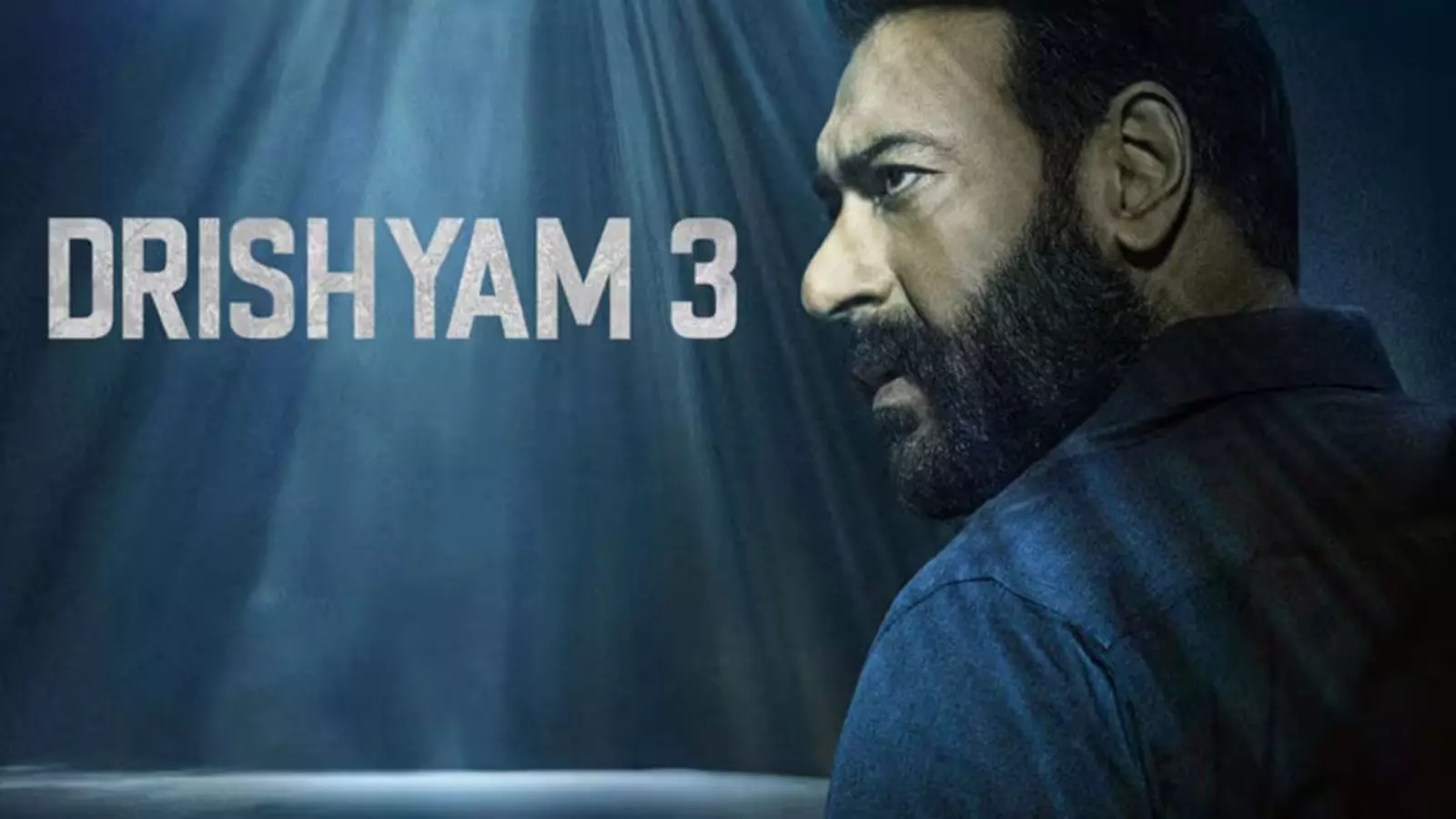
Drishyam 3 Review: The Final Lie, The Final Truth, The Final Silence
The final chapter of the Drishyam saga finds Vijay Salgaonkar facing the consequences of his choices — and the lies he told to protect his family are finally catching up with him.
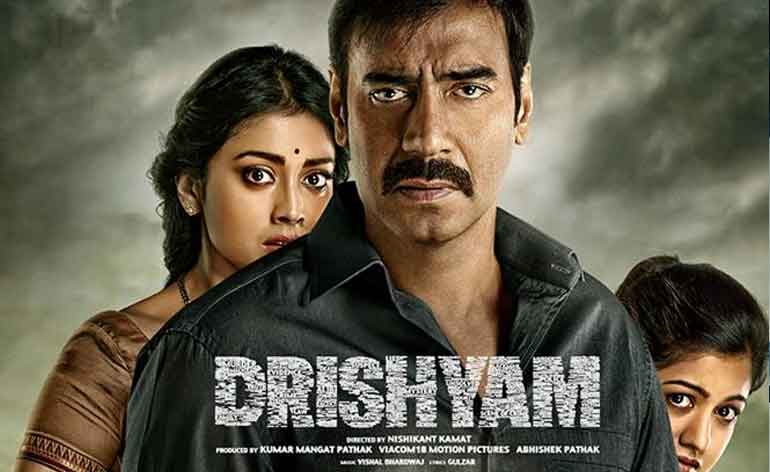
Drishyam Review: The Perfect Crime, The Imperfect Family, And The Silence That Speaks Volumes
A small-town cable operator will go to any lengths to protect his family after they become involved in an accidental death — even if it means outsmarting the police.

Udta Teer Review: A Sharp, Biting Satire That Aims for the Jugular (And Hits)
A privileged but disillusioned man decides to expose the rot in the system by becoming a whistleblower — only to discover that the system is far more dangerous than he imagined.