One Punch Man Season 1 Review: The Superhero Parody That Became the Genre's Best Entry
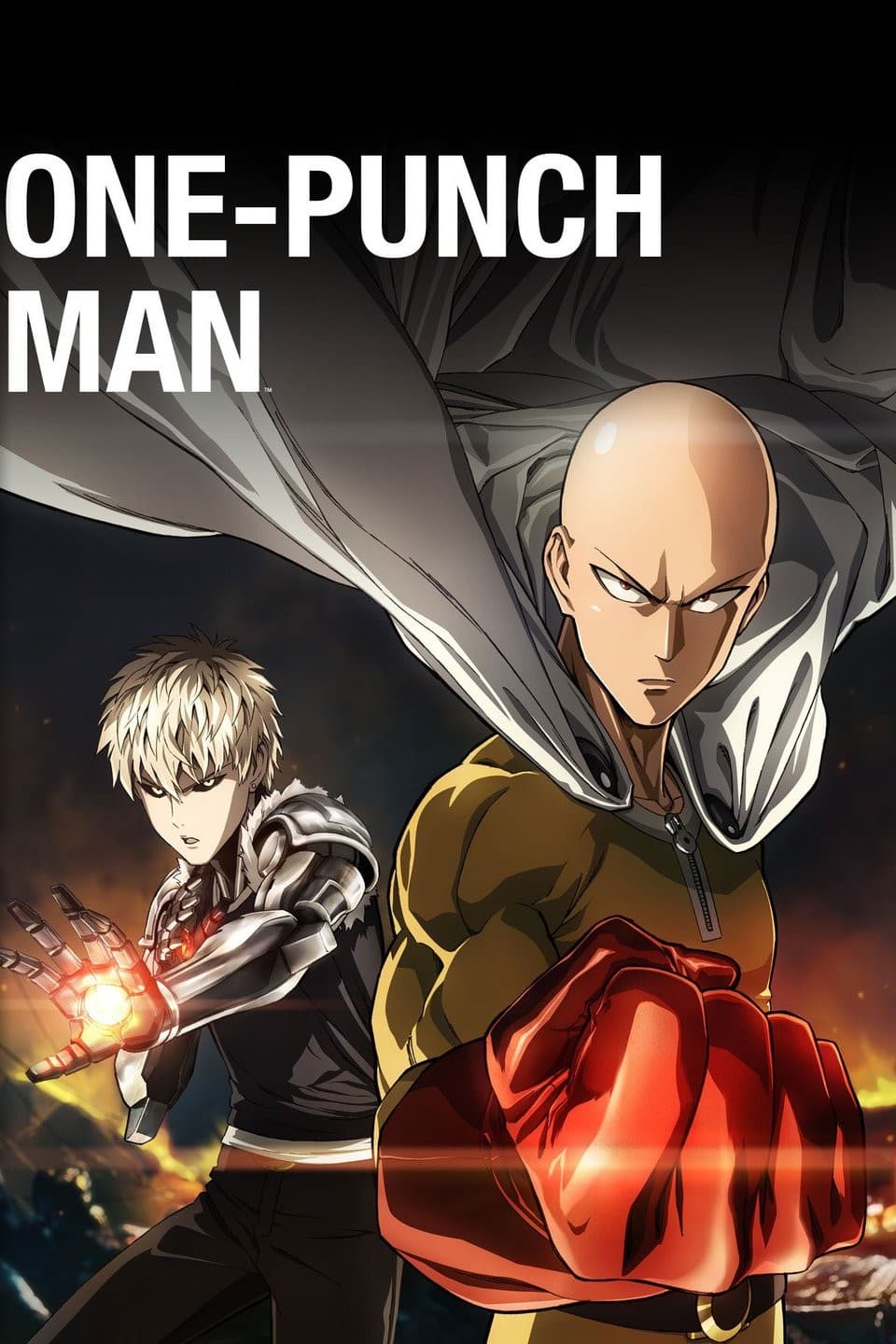
One Punch Man Season 1 Review
Based on direction, story, and acting
What Works (The Good)
- Saitama is one of the most original protagonists in modern anime — bored, bald, and unbeatable
- The animation by Madhouse is genuinely breathtaking, especially in Episode 12
- The humor lands because it respects the genre it's mocking
- The supporting cast, especially Genos and Mumen Rider, gives the show unexpected emotional depth
- The score by Makoto Miyazaki perfectly balances epic and absurd
What Doesn't (The Bad)
- Some viewers expecting a serious action series may be thrown by the comedic tone
- The monster-of-the-week structure in early episodes can feel repetitive
- The show's deeper themes about heroism and boredom are sometimes overshadowed by the jokes
The Setup: The Strongest Man in the World Is Bored
Saitama is a hero. Not a hero in the traditional sense — no tragic origin story, no dead parents, no radioactive spider. He just did 100 push-ups, 100 sit-ups, 100 squats, and ran 10 kilometers every single day until his hair fell out and he became strong enough to defeat any opponent with a single punch. That's it. That's the backstory.
The problem? He's too strong. Every fight ends in one hit. Every monster, every villain, every apocalyptic threat — one punch and it's over. Saitama is not tormented by his power. He's annoyed by it. He wants a real fight. He wants to feel the thrill of combat. He wants to sweat. He wants to lose. He can't.
One Punch Man Season 1 is not a story about becoming the strongest. It's a story about what happens after you already are — and realizing that being the strongest is actually kind of boring.
The Plot: Hero Registration, Monster Attacks, and Existential Dread
The season follows Saitama as he navigates a world overrun by monsters, villains, and giant ants. He joins the Hero Association, a bureaucratic organization that ranks heroes based on popularity, public approval, and test scores. Despite being objectively the most powerful being on the planet, Saitama starts at the bottom — C-Class, Rank 388. No one knows who he is. No one respects him. And he has to attend mandatory hero meetings where the main topic is "please don't litter."
Along the way, he gains a disciple: Genos, a cyborg who witnessed his family's destruction and became a hero for revenge. Genos is everything Saitama isn't — serious, intense, and desperate to grow stronger. Their dynamic is the emotional core of the season. Genos sees Saitama as the ultimate mentor. Saitama sees Genos as a guy who talks too much and doesn't help with the rent.
The season builds to a massive alien invasion led by Boros, the Dark Matter Thieves' leader and the first opponent who actually survives more than one punch. Their fight in Episode 12 is not just the best action sequence of the season — it's one of the best-animated fight sequences in modern anime history.
The Characters: Bored Gods and Desperate Mortals
Saitama is the most subversive protagonist in superhero fiction. He's not tortured. He's not brooding. He's not morally conflicted. He's just a guy who wants to find a good fight and maybe catch a discount at the supermarket on Tuesdays. His apathy is the joke, but it's also the point. The world treats heroes as symbols of hope. Saitama treats heroism as a hobby that's gotten out of hand.
Genos is the perfect contrast. He's the traditional shonen protagonist — tragic, determined, and constantly pushing his limits. Watching him struggle against enemies Saitama destroys with a flick of his wrist is both hilarious and genuinely sad. Genos represents everything we expect from a hero. Saitama represents what happens when the hero has nothing left to prove.
Mumen Rider deserves a special mention. He's a C-Class hero with no powers, no superhuman strength, no special abilities. He rides a bicycle. And in the Deep Sea King arc, he does something far more heroic than Saitama ever does: he stands up to an enemy he knows he can't beat, not because he wants to win, but because someone has to. That scene is the emotional heart of the entire season.
The Animation: Madhouse at Its Absolute Peak
There is a reason One Punch Man Season 1 is still talked about a decade after it aired. Madhouse assembled an all-star team of animators — including Yutaka Nakamura, one of the greatest action animators in the industry — and gave them the freedom to go absolutely wild. The result is a season that looks better than most anime films.
Episode 12, the fight between Saitama and Boros, is a masterclass. The choreography is fluid. The impact frames are brutal. The camera moves with a sense of weight and momentum that most action anime can only dream of. When Saitama delivers the final punch — the "Serious Punch" — the screen goes white, the sound drops out, and for a moment, the show becomes genuinely awe-inspiring.
And then Saitama says something stupid, and the show remembers it's a comedy. That tonal balance is the secret to One Punch Man's success.
The Music: A Score That Knows When to Be Epic and When to Be Absurd
Makoto Miyazaki's soundtrack is iconic. The main theme — that driving, heroic brass — is instantly recognizable. But the real genius is how the score plays with tone. During Saitama's fights, the music swells like it's the final battle of a shonen epic. And then Saitama wins in one punch, the music cuts out, and we're left with silence and a blank expression. The score is in on the joke, and that makes it even funnier.
The Verdict: A Masterpiece of Comedy and Action
One Punch Man Season 1 is not just a great anime. It's a perfect season of television. It understands its premise, commits to it fully, and never overstays its welcome. It's funny without being mean. It's action-packed without being exhausting. And it has something genuinely interesting to say about heroism, boredom, and the difference between being strong and being a hero.
The second season, produced by J.C. Staff, is widely considered a significant drop in quality. That's not a knock on Season 1. It's a testament to how impossibly high it set the bar.
Score: 9/10
Verdict: Must Watch. Even if you don't like anime, watch the first episode. If you don't laugh, you're probably a monster Saitama has already punched.
The writer of this review has watched the Boros fight eleven times. He regrets nothing.
The Cineverse Technical Breakdown
More in Anime
View all Anime reviews →
Gintama Review: The Anime That Taught Us To Laugh At Everything, Including Ourselves
In an alternate Edo period where aliens have conquered Japan, a broke samurai and his oddball friends take on any job they can find — from finding lost cats to saving the world.
Idaten Jump Review: The Anime That Made Every 2000s Kid Want a Mountain Bike
A young mountain biker is transported to a strange world where he must race against dark forces to save his father and find his way home.
ReLIFE Review: A Second Chance at High School, And Why It Hurts So Good
A 27-year-old NEET gets a second chance at high school through a mysterious experiment — but the experiment has rules, and the biggest one is that no one can know.