Steel Ball Run Review: JoJo's Wildest Ride Is Also Its Most Human
Steel Ball Run Review
Based on direction, story, and acting
What Works (The Good)
- Gyro Zeppeli is arguably the best written character in all of JoJo
- The 1890 America setting is a refreshing and immersive backdrop
- The relationship between Johnny and Gyro is the emotional core of the entire series
- Funny Valentine is one of the greatest villains in manga history
- The race structure gives every arc a clear, propulsive goal
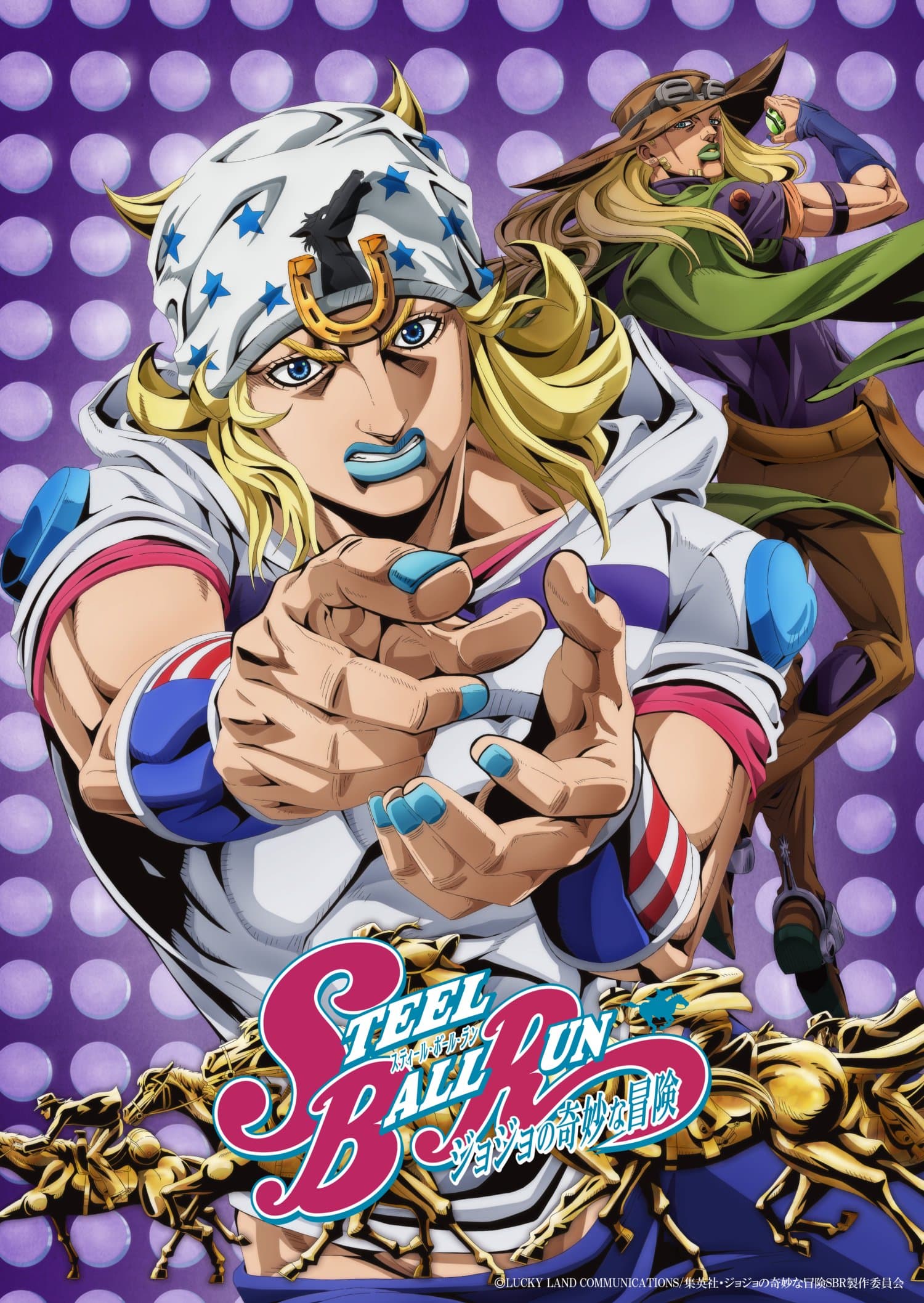
- The art is peak Hirohiko Araki — detailed, expressive, and surreal
- Themes of patriotism, sacrifice, and redemption are handled with surprising maturity
What Doesn't (The Bad)
- The Stand abilities become increasingly complex and abstract in the later arcs
- The 95-chapter length can feel daunting for new readers
- Some readers may find the shift from Hamon to Stands confusing if they skipped Part 6
The Setup: A Reboot That Became the Peak
Steel Ball Run is technically Part 7 of JoJo's Bizarre Adventure, but it's also a soft reboot. After Stone Ocean ended with the universe being reset, Araki took the opportunity to tell a new story — one that didn't require readers to know the previous six parts. You can start here. You should start here. Because Steel Ball Run is not just the best JoJo part. It's one of the greatest manga ever written.
The story begins in 1890. The United States is hosting a transcontinental horse race — the Steel Ball Run — with a $50 million prize. Thousands of riders compete. But the race is a cover for something much larger. A conspiracy involving ancient relics, government secrets, and the future of the nation itself.
The Plot: A Race Across America, A Journey Into the Soul
Johnny Joestar was a prodigy. A world-famous jockey. A celebrity. Then he was shot, paralyzed from the waist down, and abandoned by everyone he loved. He's a broken man, bitter and suicidal, when he meets Gyro Zeppeli.
Gyro is an executioner from the Kingdom of Naples. He's confident, funny, and carries mysterious steel balls that can produce strange, physics-defying effects. Gyro is racing for a reason he doesn't reveal. Johnny joins him after discovering that the steel balls might be able to restore his ability to walk.
What follows is a 4,000-mile race across America, filled with assassins, government agents, and enemies who wield bizarre, supernatural powers called Stands. The race is the plot. The race is the metaphor. Every leg of the journey forces Johnny and Gyro to grow, to trust each other, to confront their pasts, and to decide what they're willing to sacrifice for the prize.
The final act, involving the villain Funny Valentine and his plan to use the Saint Corpse to reshape the world, is a masterclass in narrative escalation. Valentine is not just a villain. He's a patriot. He genuinely believes he's saving his country. He's willing to do unspeakable things for what he believes is right. And that makes him terrifying.
The Characters: Johnny, Gyro, and the Best Bromance in Manga
Johnny Joestar is one of Araki's most complex protagonists. He's not a hero. He's not even particularly likable in the beginning. He's selfish, angry, and desperate. But his journey — from a man who wants to walk again to a man who understands what it means to stand for something — is genuinely moving.
Gyro Zeppeli is, for my money, the best character Araki has ever written. He's funny, confident, and effortlessly cool. But he's also hiding a painful past. His father, an executioner, taught him the Zeppeli family's steel ball technique — a technique designed to end lives, not save them. Gyro is racing to find a way to save a boy his father was supposed to execute. He's running from his father's legacy. He's running toward his own redemption. And his relationship with Johnny — the way they teach each other, tease each other, and push each other — is the emotional heart of the entire story.
Funny Valentine is the best villain in JoJo. He's not a monster. He's not a psychopath. He's a patriot. He believes in America. He believes in his mission. He believes that the ends justify the means. His Stand, D4C (Dirty Deeds Done Dirt Cheap), allows him to travel between parallel universes — and the way he uses it to escape death, to wear down his enemies, to ensure his vision for the world comes true, is genuinely terrifying.
The Art: Peak Araki
Steel Ball Run is Araki's best-drawn manga. His art has always been expressive and surreal, but here it reaches a new level. The characters are beautiful. The Stand designs are imaginative. The American landscape is rendered with a sense of awe and scale. The action sequences are dynamic and clear, even when the Stand abilities become abstract.
The volume covers are iconic. The character designs are iconic. The poses are iconic. Steel Ball Run is a visual feast from beginning to end.
The Themes: Patriotism, Sacrifice, and the Cost of Ambition
Steel Ball Run is not just an action manga. It's a story about America. It's about the myth of the frontier. It's about the idea that anyone can make it if they're willing to sacrifice. But it's also about who gets sacrificed in the process.
Funny Valentine wants to make America great. He wants to use the Saint Corpse to ensure the nation's future. He believes that the cost — a few lives, a few sacrifices — is worth it. Johnny and Gyro believe otherwise. The conflict between them is not just a conflict of power. It's a conflict of ideology.
The Verdict: A Masterpiece
Steel Ball Run is the peak of JoJo's Bizarre Adventure. It's the most emotional, the most mature, the most beautifully drawn, and the most thematically rich part of the series. It's a story about two broken men who find strength in each other. It's a story about America — the good, the bad, and the ugly. It's a story about sacrifice. It's a masterpiece.
Score: 9.5/10
Verdict: Must Read. If you've never read JoJo, start here. If you have, you already know. Gyro Zeppeli is the best. Don't fight me on this.
The writer of this review has read Steel Ball Run three times. He cried at the end every single time. Gyro deserved better.
The Cineverse Technical Breakdown
More in Anime
View all Anime reviews →
Gintama Review: The Anime That Taught Us To Laugh At Everything, Including Ourselves
In an alternate Edo period where aliens have conquered Japan, a broke samurai and his oddball friends take on any job they can find — from finding lost cats to saving the world.
Idaten Jump Review: The Anime That Made Every 2000s Kid Want a Mountain Bike
A young mountain biker is transported to a strange world where he must race against dark forces to save his father and find his way home.
ReLIFE Review: A Second Chance at High School, And Why It Hurts So Good
A 27-year-old NEET gets a second chance at high school through a mysterious experiment — but the experiment has rules, and the biggest one is that no one can know.